




Blog / Nitro Chevrolet Service

Blog

All Nitro Chevrolet Service Nitro Nitro Chevrolet Dealer Walker Chevrolet Walker Chevrolet Service WV Nitro Used Cars 026 Chevrolet Silverado 1500 2026 Model Year FInance New Chevy Inventory
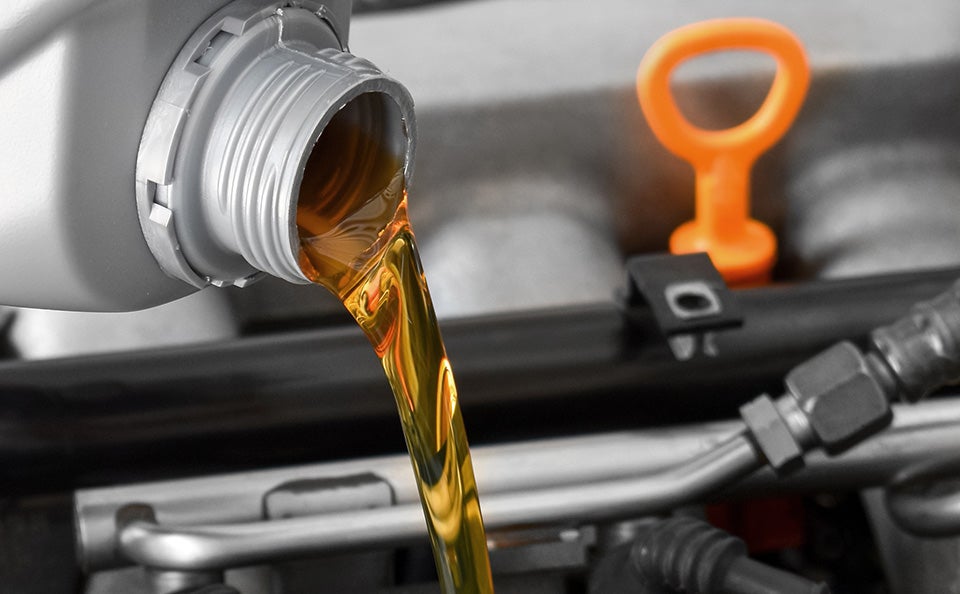
Fresh, golden-amber engine oil being poured from a silver container into a car engine.

Why You Need A Chevrolet Oil Change In Nitro, WV

A Chevrolet oil change is one of the most essential maintenance tasks to keep your vehicle running efficiently. Oil lubricates the engine's components, reduces friction, and prevents overheating. Over time, however, oil breaks down and becomes less effective, potentially causing damage to your engine. Regular oil changes not only improve performance but also extend the life of your Chevrolet. For drivers in Nitro, WV, maintaining your vehicle's health is especially important given the varying weather conditions that can impact engine performance. Whether you drive a Silverado, Equinox, or Bolt EV, staying on top of oil changes ensures a smoother ride and better fuel efficiency. more Signs You Need an Oil Change Knowing the signs you need an oil change can save you from costly repairs down the line. Here are some common indicators: - Dashboard Warning Light: If the oil change or check engine light illuminates, it’s time to schedule service. - Dark or Dirty Oil: Fresh oil is amber-colored and transparent. If it appears dark or gritty, it’s overdue for a change. - Engine Noise or Knocking: Insufficient lubrication can cause increased friction, leading to unusual engine sounds. - Exhaust Smoke: Excessive smoke from the tailpipe may indicate old or contaminated oil. - Decreased Performance: A sluggish engine or reduced fuel efficiency often points to the need for an oil change. At Walker Chevrolet in Nitro, WV, our certified technicians can quickly identify these signs and provide the necessary service to keep your vehicle in peak condition. Benefits of Choosing Walker Chevrolet for Your Oil Change When it comes to a Chevrolet oil change, not all service providers are created equal. At Walker Chevrolet, we offer: - Certified Technicians: Our team specializes in Chevrolet vehicles, ensuring expert care for your car, truck, or SUV. - Genuine Parts and Fluids: We use only OEM-approved oil and filters tailored to your specific model. - Convenient Scheduling: Our online booking system makes it easy to find a time that works for you. - Comprehensive Inspections: Every oil change includes a multi-point inspection to catch potential issues early. Whether you're preparing for a long road trip or just tackling your daily commute in Nitro, WV, our team is here to help you drive with confidence. Keep Your Chevrolet Running Smoothly in Nitro, WV A Chevrolet oil change is more than just routine maintenance—it's an investment in your vehicle's longevity and performance. By recognizing the signs you need an oil change and trusting the experts at Walker Chevrolet in Nitro, WV, you can ensure your car stays road-ready for years to come. Schedule your service today and experience the difference expert care can make!
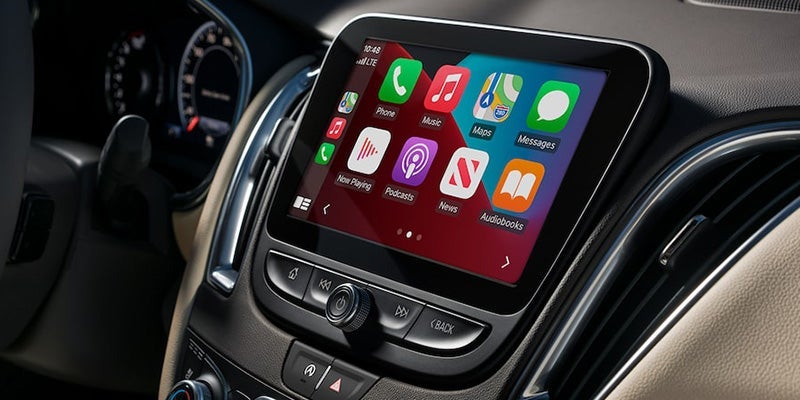
Chevrolet Touch Screen

Enhance Performance With Chevy Accessories

Whether you have a sedan, an SUV, or a truck, you may want to improve its already excellent performance and take it to the next level. At your Chevy dealer, we have a huge range of Chevy accessories to do just that. We want to tell you about some of the available choices, depending on your model, that our Chevy-trained technicians can install for you. more Cold Air Intake System Your engine requires air for combustion, and this air passes through the engine air filter, where dust and other debris are removed. Air is essential for your engine as it mixes with the fuel and allows efficient burning when ignited by the spark plugs. A cold air intake system increases the flow of colder outside air into your engine, and the increased airflow improves engine performance. Cold Weather Steering Hose Upgrade Kit Power steering supplies extra muscle to allow your steering wheel to move easily by using hydraulic power. The steering hoses connect the power steering pump to the cylinders to supply this power, but cold weather can damage this hose over time. Hoses flex more in cold weather, like our winters here in Nitro, WV. Flexing causes cracks, allowing power steering fluid to leak and making it difficult to turn your steering wheel. These hose upgrades prevent this problem. Kits are available for different engines. They are rated to work effectively and resist damage at up to -40 F, a temperature we fortunately never experience. Brake Upgrade System If your Chevy model is designed for high-performance driving, like the Camaro or Corvette, a brake upgrade can give you more control and make your experience even safer. These upgrades minimize brake wear and improve their efficiency at high speeds. Suspension Upgrades These upgrades can improve performance if you want an enhanced off-road experience or higher speeds on a track. They can drop your suspension for high-performance driving to give you an extra edge or lift your suspension to clear higher obstacles with ease in the great outdoors. Engine braces are available for the Camaro and Corvette to increase chassis and lateral stiffness, or you can add a steel driveshaft to resist damage if you enjoy rock climbing in your truck. These are just a few samples of the accessories we can add to improve performance. Visit us today at Walker Chevrolet in Nitro, WV, to see the full range.

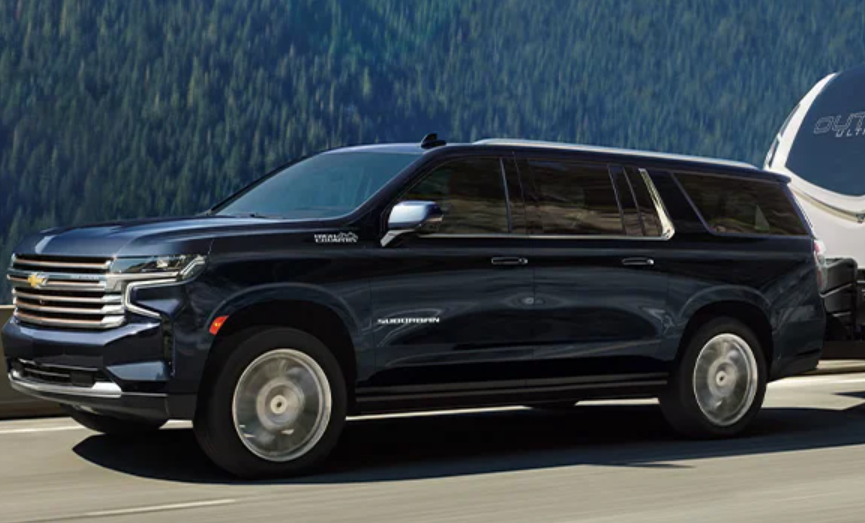
2024 Chevy Suburban Pulling Camper Along Mountains

5 Luxurious Features of the 2024 Chevy Suburban

The name "Suburban" has long stirred up the image of the perfect family SUV. Roomy, powerful, comfortable, and safe, the 2024 Chevy Suburban tops the range when it comes to family road trips. And with excellence in its heritage and comfort in its bones, there's lots to love about this edition of the iconic family SUV. Here are just a few ways the Suburban makes life more luxurious. more 1. The Luxury of Power With multiple large-displacement engines on offer, there's a lot of muscle in the 2024 Suburban. From a 5.3-liter gasoline V8 to a 3.0-liter Duramax Turbo Diesel offering, the Suburban has the strength to move mountains, offering up to 420 horsepower and 465 lb-ft of torque. It can also tow up to 8,300 pounds of trailer when properly configured, for limitless adventure with a boat, camper, kayak trailer, or whatever else your family desires. 2. The Luxury of Space With an astronomical 44.5 inches of legroom in front, 42 inches in the second row, and 36.7 inches in the third row, the Suburban is the perfect vehicle for those who demand the room to be free. And with 41.5 cubic feet of cargo capacity even with all three rows upright, there's room for golf bags, strollers, instruments, and more in the spacious cargo compartment, in addition to up to 9 passengers. 3. The Luxury of Safety Chevy Safety Assist comes along for the ride on the 2024 Suburban, with ​top-tier safety ​features like forward collision alerts, automatic emergency braking, adaptive cruise control to maintain safe following distances, and lane keep assistance to make sure the Suburban stays safely in its lane. Teen Driver Technology can also ​help keep an ​eye on younger drivers. 4. The Luxury of Hands-Free Driving With the available SuperCruise feature, the 2024 Suburban doesn't just augment your safety: it can even take the wheel, freeing you up to enjoy the view and the company. ​SuperCruise offers hands-free driving assistance across more miles of compatible highway than any other hands-free driving technology, meaning more miles with less stress. 5. The Luxury of Coming First With so much power, space, and safety available, there's little wonder that U.S. News rates the 2024 Suburban as the #1 Large SUV, and offered it a spot at the top of their Best Large SUVs for Families list. With luxury from the frame up, there's lots to ​love about the 2024 ​Suburban. The only question is who gets to climb in first. So bring the kids and test drive the 2024 Suburban at Walker Chevrolet in Nitro, WV, and discover the comfort and capability it can offer.

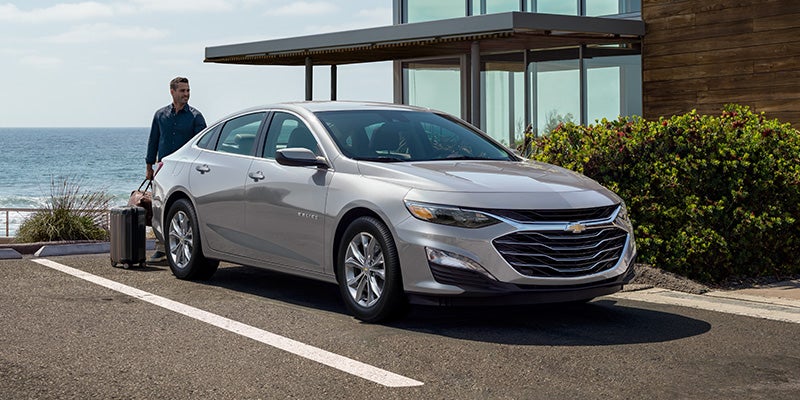
Silver Chevrolet Malibu Parked by Beach

The Ultimate Guide to Maintaining Your Chevrolet's Transmission for Smooth Driving

Modern automatic transmissions are remarkably sophisticated pieces of machinery containing hundreds of moving parts. Given this complexity, serious transmission faults can be expensive to repair. For the sake of your wallet and driving pleasure, it's wise to keep your transmission in tip-top condition for as long as possible. To do so, follow the guidance below, and don't hesitate to have transmission service at your local Chevy dealership whenever it's required. more Keep Your Transmission Fluid Fresh Transmission fluid is the lifeblood of your vehicle's gearbox. The fluid keeps the bearings, gears, and other moving components lubricated. It also maintains hydraulic pressure and helps control the temperature. If this fluid is ever allowed to degrade, it starts to lose its various properties, which accelerates wear and tear inside the transmission. It's therefore essential to frequently check the level and condition of your transmission fluid, which you can do by using the dipstick. While fresh, transmission fluid will be reddish, transparent, and sweet smelling. If your transmission fluid looks dark and grimy, you might need to have it flushed at once. And if the fluid is low, have it topped up. Keep an Eye Out for Leaks Low transmission fluid might indicate a leak. Unless a leak is promptly fixed and the fluid topped up, the transmission will start to suffer. In the case of a leak, you might notice reddish-brown fluid puddling on the garage floor, driveway, or road when you pull away from parking. Change the Transmission Filter Frequently In many vehicles, a filter inside the transmission collects contaminants from the fluid. The filter gradually fills up with debris and can become clogged. So if your transmission has a filter, have it replaced every time you have the fluid flushed. Keep Your Tires and Wheels Aligned Uneven tires and misaligned wheels can put unusual pressure on both the suspension and transmission. Over time, this pressure causes undue wear and tear, so it's important to keep both wheels and tires properly aligned at all times. Come to a Halt Before Shifting Into Drive A common driving mistake is to shift into either drive or reverse gear while the car is still moving. This puts a great deal of strain on the transmission. Always come to a complete halt before changing gears into drive or reverse. Avoid Towing Heavy Loads Towing can put an enormous strain on the transmission, especially if you're towing above the recommended tow weight for your vehicle. Always consider the longevity of your gearbox before deciding to tow a trailer. Visit Your Chevy Dealer Often for Transmission Service Transmission fluid should generally be flushed every 60,000 to 100,000 miles for automatic transmissions and every 30,000 to 60,000 miles for manual transmissions. Consider flushing your transmission fluid more frequently if you often tow heavy trailers, commute in stop-and-go traffic, or use particularly dusty roads. Have your car's transmission inspected and serviced today at Walker Chevrolet in Nitro, WV. We're a local full-service dealership providing a one-stop shop for all the automotive needs of drivers in Nitro, Charleston, Saint Albans, and nearby.

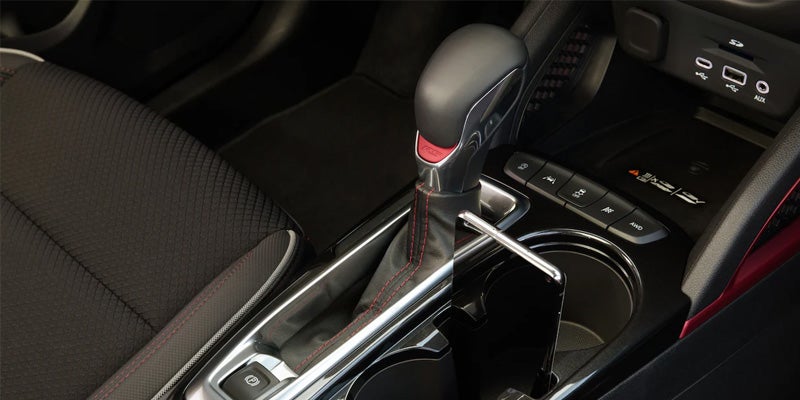
2024 Chevrolet Trailblazer Console

6 Electrical Problems You Should Always Fix That Your Chevy Dealer

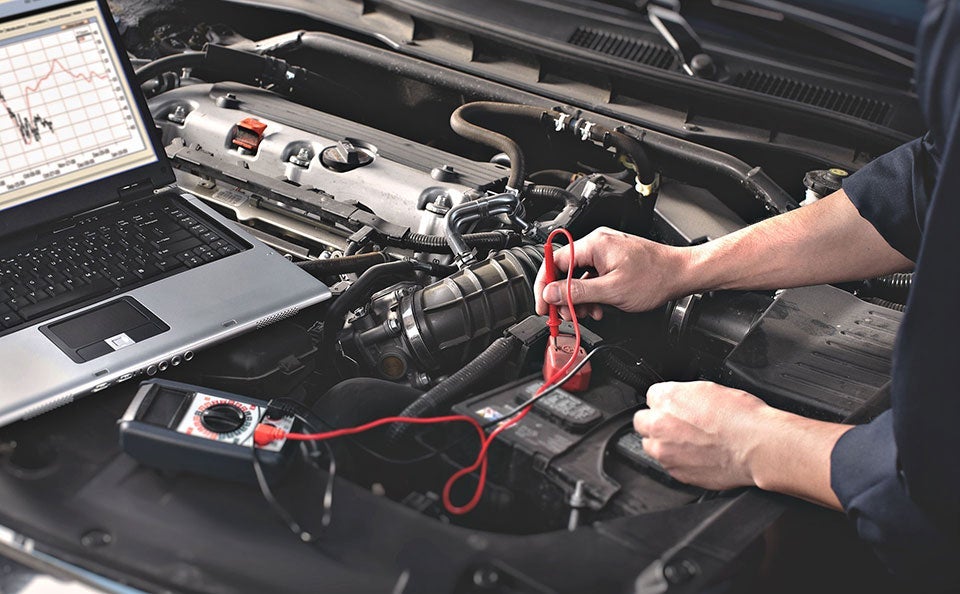
Problems with your car's electrical system can severely compromise your vehicle's performance, and they can even stop you from driving altogether. Electrical problems should always be repaired by a factory-trained Chevy technician at the Chevy dealer, as you need the problem handled by an expert. more 1. A Blown Fuse A blown fuse is a minor issue that can timidly be handled in a matter of minutes, but you need a professional to locate your fuse box and replace the correct fuse. You should pay attention to see how often your fuses blow because if fuses frequently blow in your car, then you may need to have your entire fuse box replaced. 2. A Faulty Alternator A faulty alternator can cause problems with your electrical accessories, such as the power windows, heated seats, and charging ports. You might find that the accessories slow down or stop working completely. Faulty alternators can also cause issues with your headlights, making them dim or causing them to flicker. If the problem gets too bad, then your alternator may no longer be able to charge up your battery, which can prevent your car from starting. 3. A Bad Battery A damaged or old battery can cause problems with your electrical system similar to a faulty alternator. You can't always tell the difference between a bad alternator and a bad battery until the issue stops your car from switching on. A faulty battery can typically be jumpstarted, but the car won't stay on after jumpstarting if your alternator is the problem. Pay attention to your battery case, too. If the battery case is misshapen, or if you see a crystal-like substance on its metal terminals, then the battery should be replaced. 4. A Loose or Faulty Spark Plug If one or more of your spark plugs are loose or faulty, then your engine may misfire or stall. You'll also notice a loss of power when you're driving. If too many of your spark plugs aren't working, you might even have trouble starting your car. 5. A Broken Starter Motor When you attempt to start your car, you should hear a click before the engine turns on. If the battery or alternator is preventing your car from switching on, then you should still hear that clicking sound. If you don't hear the clicking sound, then your starter motor is most likely broken and should be repaired or replaced at the dealer. 6. A Failed Engine Control Module The computer that controls your engine can fail. When this component is faulty or has failed, your check engine light will turn on, you'll experience decreased performance and frequent stalling, or your car simply won't start at all. Is your electrical system acting strangely? Come and get it fixed at Walker Chevrolet in Nitro, WV.

Chevrolet Trax Interior on Cliffside

What's Covered by Your 2024 Car Warranty?

Your new Chevy is automatically covered by several warranties that enable you to drive with peace of mind. These warranties protect against any issue or defect in your car. Any situation covered by these warranties will be quickly repaired by Chevy-trained technicians at no charge. As your Chevy dealer, we're going to tell you more about your 2024 car warranty and the coverage it provides. more Bumper-to-Bumper Limited Warranty This warranty covers almost every system and component in your car. The only components not protected are those covered by one of your other warranties. In addition, unlike many other car manufacturer's warranties, your tires are also protected against any defect in the materials or manufacture. Certain items and situations are excluded from repair coverage, for example, damage caused by misuse, accidents, or unauthorized alternations. Your warranty booklet has a list of exclusions. Bumper-to-bumper coverage exists for three years or 36,000 miles, whichever comes first. Powertrain Limited Warranty This warranty provides specific coverage for three of your Chevy's vital systems: the engine, transmission, and the drivetrain. Most components in all three systems are covered against any issue with their materials or manufacture. Some of the individual components that are protected include the engine's internal electrical components, the timing gears, the transmission case, and the universal joints. The coverage period is for five years or 60,000 miles. Some items are excluded from coverage, including the radiator, cooling lines, and sensors. Federal Emissions Control Warranty Your Ford has an emissions control system that converts almost all toxic chemicals produced by the engine into more harmless ones. This is important, as car emissions that are not broken down increase airborne pollution. The majority of emissions control components are protected for two years or 24,000 miles. Critical components, like the engine control module, catalytic converter, and transmission co​​​​​​​​​​​​​​​​​​​​​​​​ntrol unit, are covered for eight years or 80,000 miles. Corrosion Protection All the body and sheet metal in your Chevy is protected against corrosion damage for the first three years or 36,000 miles. Rust-Through Protection Rust-through is rust or corrosion that creates a hole through any of your car's body or sheet metal. This protection applies for six years or 100,000 miles. Additional Benefits Roadside Assistance If you find yourself in a jam, like stuck with a dead battery or a flat tire, expert technicians are available 24/7/365 to help you. Courtesy Transportation If your Chevy has to remain in the shop for any repair covered by these warranties, you can claim alternative transportation or reimbursement for your travel expenses. If you'd like to know more about any of these warranties, visit us today at Walker Chevrolet in Nitro, WV.

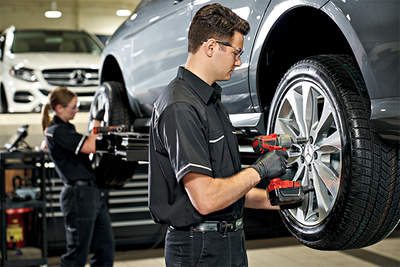
Change Tire Nitro, WV

Advice From Your Chevy Dealer: How To Change a Flat Tire

A flat tire can be caused by sharp objects on the surface, low tire pressure, or an old, worn tire. The result is the same, as you'll be stuck waiting for help. As your Chevy dealer, we'd like to tell you the fast and safe way to change your tire so you can be on the road again ASAP. more You Need Space If your tire goes flat, you'll feel it immediately as your Chevy will become less responsive. If this happens, it's important to look around for a safe place to pull over so you can fix it. If you have a choice of locations, select an area that's as flat as possible and away from other moving vehicles. This allows you to focus on changing the tire and not worry about a potential accident. Apply The Brake After you switch off the engine, ensure the handbrake is activated so your car can't move. You can also place rocks or other heavy objects behind each of the wheels for additional safety. Get The Tools You need three items to change a tire: a lug wrench, a jack, and a spare tire. All these items are usually kept in the trunk under the carpet, but they may be stored in other places, depending on your model. Your car manual will show you exactly where they're located. Loosen The Lug Nuts Use the lug wrench to loosen, but not remove, each lug nut on the flat. These lug nuts are very securely tightened, so you must use force. Once the nuts have been loosened, it's time to lift your car. Jack Your Car Jacking points are flat reinforced sections on the underside of your Chevy. They're designed as safe lifting points for applying a jack, and their location is clearly shown in your car manual. Once you position the jack, lift your car enough that the flat just touches the ground. Replace The Tire Unscrew the loose lug nuts, lift the flat off the wheel hub, and put it to one side. When you lift the spare onto the wheel hub, rotate it so the holes in the hub align with the holes in the tire. Screw the lug nuts into the spar and tighten them as securely as possible by hand. Lower Your Car Lower your car until all the tires are on the ground, then remove the jack. Use the lug wrench to tighten the lug nuts as securely as possible. The tire is now changed, and all that's left to do is to pack the tools and the flat away and drive off. Once you've replaced the tire, head over to us at Walker Chevrolet in Nitro, WV, and we'll replace your tire.

Headlight Service Nitro, WV

6 Signs You Should Get New Headlights From Your Local Chevy Dealership

Your Chevy's headlights should be in optimal condition for safe nighttime driving. Over time, headlights can start to fail due to age, road conditions, or electrical issues. You should watch out for signs of failure and visit your local Chevy dealership for new headlights. more 1. Frequently Blown Fuses If your headlight fuse gets fried regularly, it means your lights have degraded wiring that is unable to handle the load. After years of exposure to vibrations, the insulation on the wiring cracks and frays, allowing the bare wires to touch. Intermittent shorts from the damaged wires blow fuses every time you hit a bump. A Chevy technician can inspect your headlamp assembly and replace any wiring with damaged insulation to prevent blown fuses. 2. Flickering Bulbs Do your headlights pulse erratically when you're driving? Flickering indicates loose electrical connections in the bulb housing or wiring. It is not only annoying, but it can also affect your visibility at night. Have your dealer's technician check the electrical connections in the headlamp assembly and replace faulty components to restore proper illumination. 3. Dim Headlights Gradual dimming and yellowing of your headlights could indicate the lights are old and should be replaced. However, the lens might also have accumulated an opaque, grimy film, blocking and yellowing the beam. You can try to restore the lens to check whether the yellowing goes away. If it doesn't, the bulbs themselves have aged and should be replaced immediately. 4. Foggy Headlights Do your Chevy's lenses appear glazed or foggy? This occurs when UV exposure over the years damages the plastic material, diffusing and tinting the beam. Mild fogging can be fixed with headlight restoration kits. However, if the cloudiness doesn't go away after restoration, it's best to have the lights replaced by your Chevy's technicians. 5. Cracked Lens Impact damage from road debris can leave visible cracks in the headlamp lenses. Besides looking unsightly, cracks disrupt illumination patterns that are crucial for safe night vision. Even hairline cracks can spread or allow moisture into the headlight, causing visibility issues at night. Cracked lenses should be replaced immediately to restore safety. 6. Headlights Don't Turn On Are you getting no illumination when you toggle your Chevy's headlights? If the lenses are clear and the fuses are good, the bulbs themselves may have probably failed. All bulbs eventually burn out, either due to old age, vibrations, voltage spikes, or electrical issues. Replace the burned-out bulbs and check your wiring for any hidden issues that may have caused the problem. Driving with compromised headlights jeopardizes your safety and that of other road users. If you notice any of the above signs, visit Walker Chevrolet so we can check and replace the faulty headlights.

Engine Repair Nitro, WV

Four Engine Problems You Should Always Fix at Your Chevy Dealer

If you're having trouble with your engine, then you should schedule service for your Chevy as soon as possible. Engine issues can quickly become serious, even if the symptoms seem minor. If you aren't sure what your engine issue is, you can trust the Chevy mechanics at your Chevy dealer to diagnose your engine problems quickly. more 1. Ignition Issues There are a few reasons why you might be struggling with your ignition. Sometimes, the spark plugs for your engine are old, which doesn't allow your engine to ignite efficiently. Other times, your ignition coil could be to blame. Engine issues can also be related to a blocked fuel filter, a damaged fuel pump, or even issues with your battery or alternator. You can identify ignition issues if you have trouble starting up your car. But you should also have a mechanic examine your ignition system if your vehicle is stalling, misfiring, or backfiring since all of these issues can also be related to parts of your ignition. 2. Overheating An engine that overheats is a major problem. When the parts of your engine get too hot, the lubricants in your engine can burn off, which can create excessive smoke. A hot engine can also cause metal to warp, which can damage your engine and prevent you from driving your car in the future. Your car may be overheating because of a malfunctioning cooling system, low radiator fluid, or even dirty motor oil. If your car is overheating, you should pull over on the side of the road as soon as possible and turn off your car. You should not pop the hood for at least 15 minutes to avoid injury. If your radiator is the problem, you can add coolant to your radiator, so your car is cool enough to drive to your local dealership for repairs. 3. Unusual Noises When your engine is healthy, it's relatively quiet even when you are accelerating. However, when you start to hear unusual noises from beneath the hood or your engine seems louder than usual, this could be an early warning sign of a bigger engine issue in the future. Sometimes, unusually loud noises from your engine can be related to your timing belts, bearing rods, or other essential engine components. 4. Excessive Exhaust Smoke from your exhaust is never a good sign. If you notice excessive smoke from your exhaust pipe, the root cause could be related to unusual fluids in the fuel line, a clogged air filter, leaks in the fuel injector, or other malfunctioning parts. Smoke can also be related to engine oil leaks and other fluid leaks beneath the hood. Routine maintenance is key to avoiding major engine issues. Book your next service appointment at Walker Chevrolet to diagnose your engine troubles today.

Do You Need a Radiator Repair From Your Chevy Dealer?

Do You Need a Radiator Repair From Your Chevy Dealer?

Chevrolet is an iconic American brand, but Chevys are not exempt from the need for maintenance and the occasional repair. Your radiator is a vital engine component that ensures the temperatures in your car stay cool, which keeps the engine (and you) safe and running smoothly. There are some signs that you need your Chevy dealer to conduct radiator repair. more You've Got an Overheating Engine One of the most prominent signs that your Chevy might require a radiator repair is an overheating engine. If you notice the temperature gauge on the dashboard rising too often, it's a clear indication that your radiator may not be doing its job properly. You Have Visible Damage to the Radiator After certain incidents, like minor accidents or driving over harsh terrain, it's a good idea to visually inspect the radiator for any apparent damage. Look for dents, bends, or even small cracks in the fins. These can compromise the fins' ability to whisk hot air away. You See Coolant Leaks Spotted a colorful pool of liquid underneath your parked vehicle? This could be the coolant fluid, which circulates within the radiator. If you've got a crack or hole in the radiator, its hoses, or in the connectors, the coolant will leak out and the radiator won't be able to do its job. You've Got Discolored or Murky Coolant Regularly checking the coolant reservoir is a wise habit. Your coolant should typically look bright green or pink, depending on the brand and type. If the liquid seems murky or has floating debris in it, it's possible you have internal rust or a build-up of contaminants, which can compromise the radiator's efficiency. You're Having Heating Issues Inside the Cabin If you're turning up the heater inside your Chevy, and it's not warming up efficiently, it might be related to a radiator issue. The system responsible for heating the interior ties back to the radiator, so problems in the radiator may manifest in the heating system. You're Seeing a Fluctuating Temperature Gauge While an overheating engine is a clear sign, subtle fluctuations in the temperature gauge can also indicate radiator issues. If the needle moves back and forth erratically between hot and cool, you might want to get your radiator checked. Radiator problems can escalate if not addressed promptly, and that can lead to more costly repairs or even irreversible engine damage. Don't take any chances with your vehicle! Reach out to Walker Chevrolet today and ensure your vehicle remains the reliable workhorse it was designed to be.

3 Signs You Need an Alternator Repair at Your Chevy Dealer

3 Signs You Need an Alternator Repair at Your Chevy Dealer

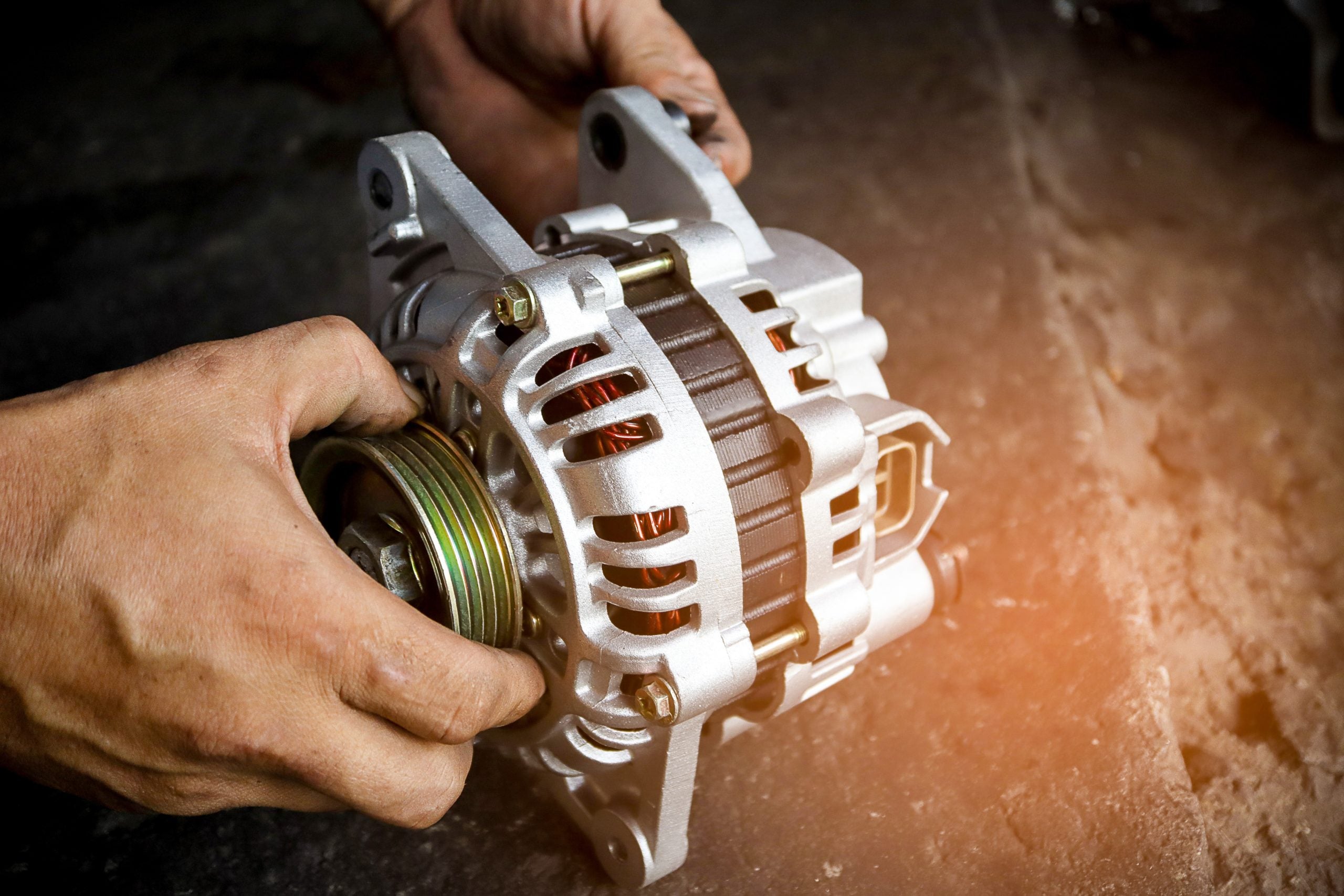
The alternator produces electricity for all your Chevy's systems and accessories. It's a simple yet robust component and can last for up to 100,000 miles. It can develop problems or suffer damage from other engine problems. As your Chevy dealer, we'd like to give you some tips on signs that you need to visit us for an alternator repair. more Slow Accessories A healthy alternator produces more power than your car requires. If your alternator starts to fail due to age or damage, its electrical production will slowly drop. This problem isn't noticeable when it begins but will become evident as time passes. As the electricity supply drops, it will impact your car's systems and operation. You'll notice some accessories slow down, and others will stop for no apparent reason, only to restart a short time later. These seemingly random behaviors are due to the failing electricity supply. Your car's computer has to decide on the best use of the limited available electricity, and this can mean withdrawing power from one component to supply it to another. Our technicians will examine your alternator and install a new one if necessary. Dim or Flickering Lights These two issues are usually connected to a problem with your alternator. As we've seen, a failing alternator will produce less electricity than your car's systems require. All the systems in your car are assigned a priority by your Chevy's computer, and these priorities are based on the component's importance. The radio, for example, has a lower priority than your spark plugs or windshield wipers. If the alternator's output is too low to supply even the essential components, your computer will attempt to provide enough power for those components to operate at a minimum level. Dim lights mean that just enough power is assigned to the headlights to allow them to operate. Flickering lights mean fluctuating levels of power from the alternator. We'll test your alternator and replace it if it's wearing out. Worn Rectifier The rectifier is a tiny component in your alternator that converts electrical current. An alternator produces its electricity through a multi-stage process. The mechanical energy produced by the turning crankshaft causes the alternator pulley to spin. A bundle of magnets inside the alternator creates magnetic energy in response to this spinning motion. The magnetic energy is then converted to AC by the stator. Your car's systems require DC, and the rectifier converts AC to DC. If your rectifier fails, this conversion won't occur, and your car will lose power. We can easily replace a worn rectifier to fix this problem. If you're experiencing any alternator problems, contact us today at Walker Chevrolet.

Signs You Need a Transmission Repair at Your Chevy Dealer

Signs You Need a Transmission Repair at Your Chevy Dealer

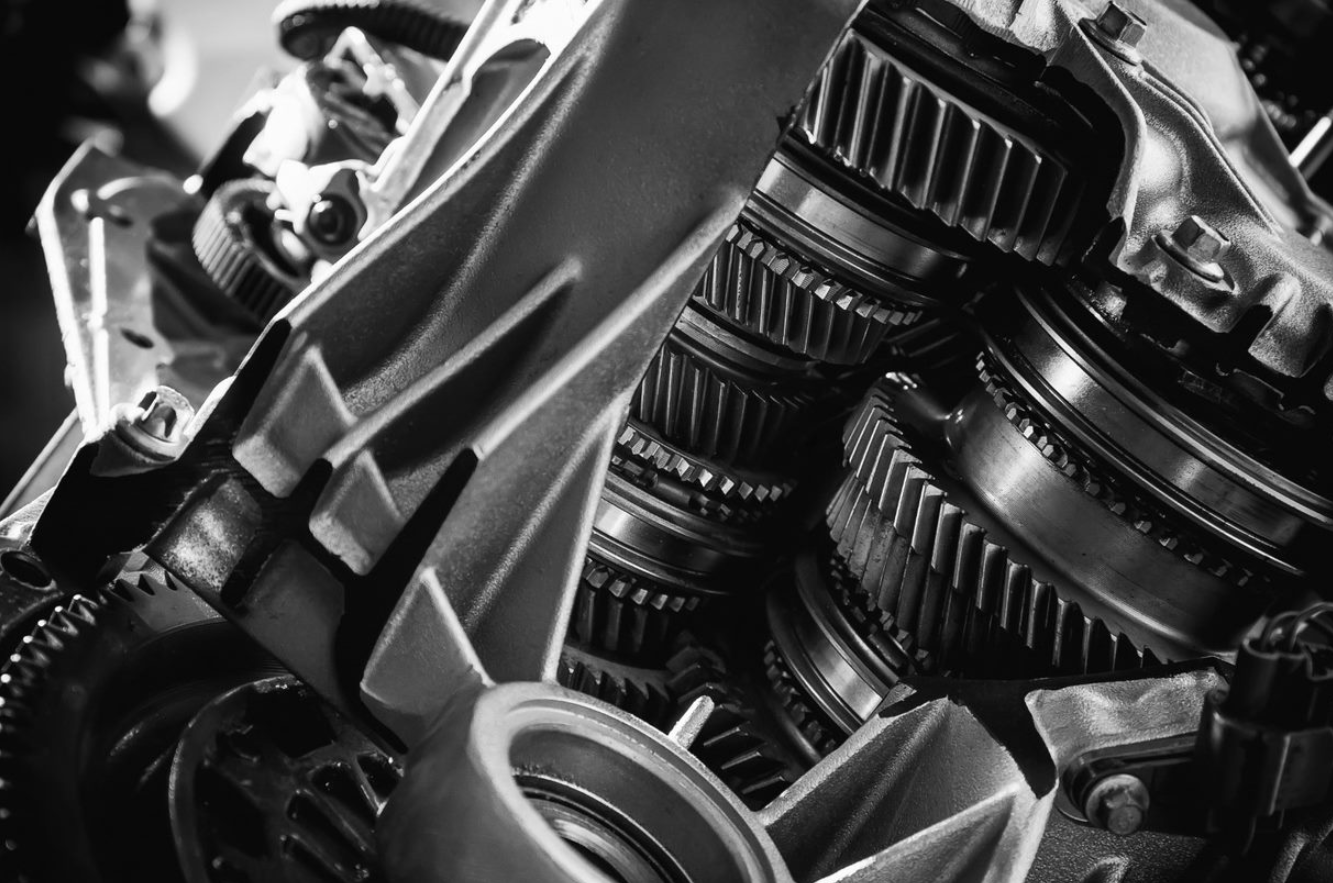
A transmission repair is one of those problems that scares most drivers. The transmission is strong, but its numerous moving parts require regular servicing and attention. Fortunately, most transmission problems can be quickly and inexpensively fixed by the experts at your Chevy dealer. These are a few signs you need to visit us for a repair ASAP. more Fluid Leak Transmission fluid is essential for your transmission. It helps to control the temperature, remove potential blockages, and provide friction resistance to transmission components. It also provides the hydraulic power your gears need to shift easily. Although the transmission is tough, there are still places where fluid can leak from. Worn or damaged seals and gaskets, for example, the transmission pan gasket, are the main sources of a leak. These gaskets need to be checked and replaced regularly due to the heat and harsh conditions inside the transmission. Leaking fluid will cause your transmission temperature to rise, and it can even overheat. Our technicians will trace the leak and repair it. Slipping Transmission One of the scariest problems in the transmission is your gears shifting unexpectedly. If this happens, your transmission will shift gears without warning or input from the transmission computer. This is dangerous, as your gears will usually move down the previous gear. In a manual transmission, the gears shift into neutral, which stops your car. There are several different reasons for this shifting, including a broken clutch linkage, worn gears, a lack of transmission fluid, or a computer error. The unplanned sift could cause an accident depending on your speed and where you're driving when it happens. Gears and gear teeth could also be damaged as the gears are wrenched into a new position. We'll need to trace the cause of the problem; then we'll repair it. Check Engine Light The check engine light illuminates in response to any problem in your engine. It will also light up if your transmission has a problem. The reason for this is your engine and transmission are physically linked and depend on each other. If one of the two has a problem, this will affect the operations of the other. If the check engine light comes on, call our service department right away. The warning comes from sensors deployed through your engine and transmission. These sensors monitor all the essential components in your car. The information they collect is sent to your Chevy computer. If there's a problem, one of the sensors will note it, and the light will come on. We'll use our diagnostic system to identify the problem then we'll fix it. If your transmission has a problem, call us immediately at Walker Chevrolet. Our Chevy-trained technicians will quickly repair the problem.

Contact Us

Fill out this form below and we'll contact you shortly
*Required Fields